
May 29, 2025









The U.S. plastics industry employs over 1.55 million people and supports more than 15,000 manufacturing facilities across the country – driving innovation, trade, and community prosperity.

From farm to table, plastic packaging ensures fruits, vegetables, and meals stay fresh longer, helping reduce food waste – a major contributor to global greenhouse gas emissions.

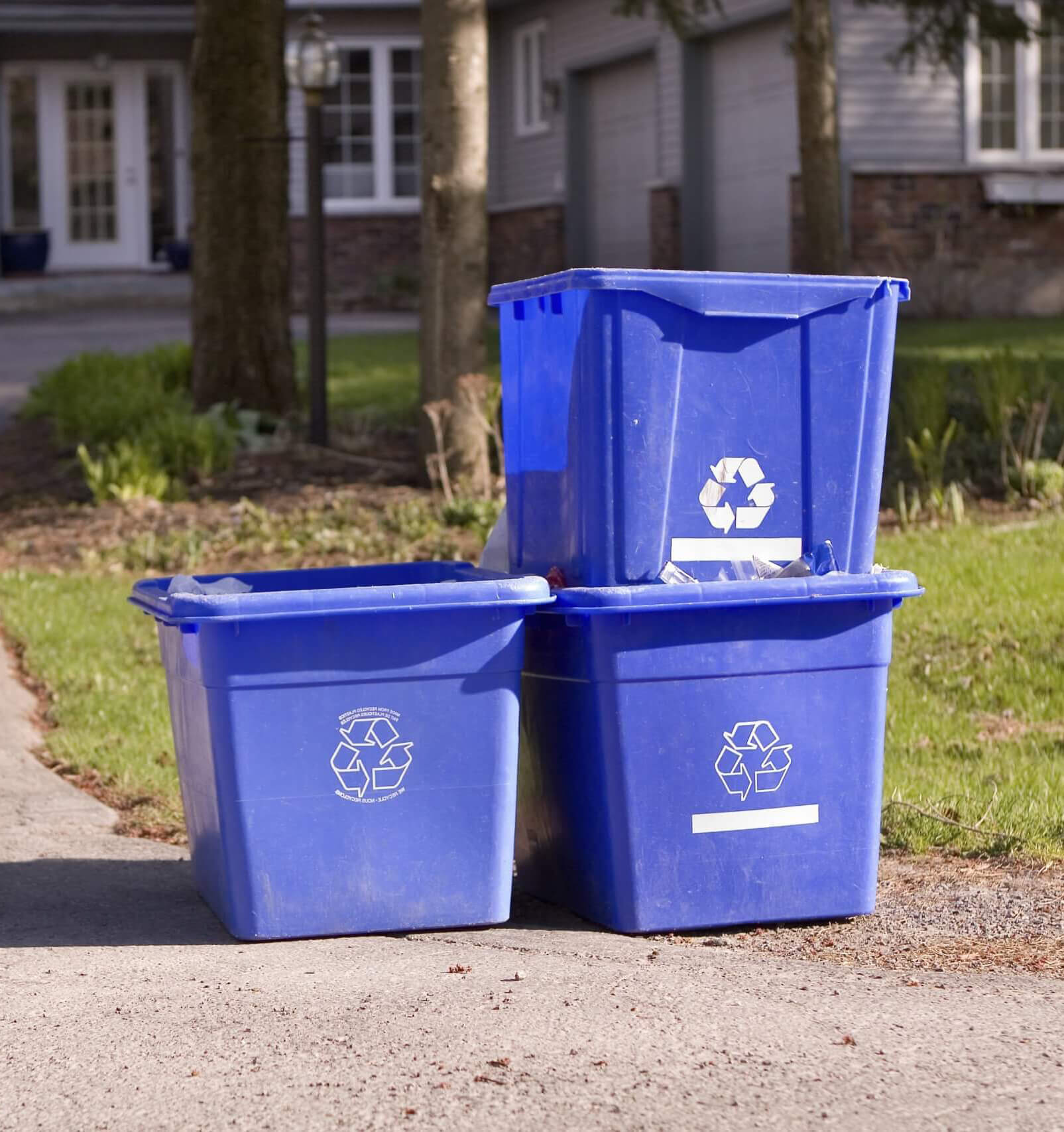
Modern recycling methods turn used plastic into new, valuable products repeatedly. Because it’s lightweight and efficient to produce, plastic helps reduce emissions and conserves more resources than many traditional materials.

Hospitals rely on plastic for IVs, syringes, masks, gloves, and life-saving equipment. Its durability and sterility help prevent infections and withstand extreme conditions – all while supporting local jobs in U.S.-based production.
Plastic helps protect the planet by lowering emissions, conserving resources, and enabling innovation across industries.
Plastic is lightweight, energy-efficient to produce, and vital in extending food freshness, improving fuel economy, and advancing sustainable construction. Bioplastics made from renewable sources offer even more eco-friendly options. With over six billion pounds of plastic recycled annually in the U.S. and $190 billion invested globally in circular solutions, plastic is key to building a cleaner, more efficient, and job-creating circular economy.²¹
Plastic empowers people – creating jobs, advancing innovation, and strengthening communities across the U.S.
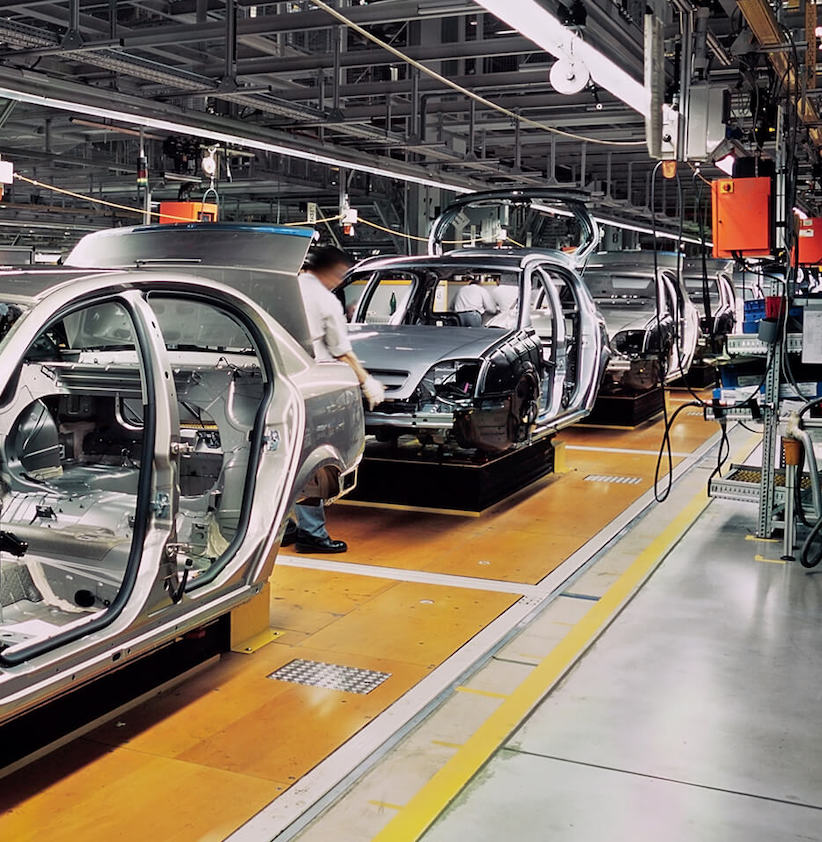
The plastics industry supports over 1 million American workers and operates in all 50 states, with Texas, Ohio, and California leading in employment. In 2023 alone, the industry generated $519.1 billion in shipments and maintained a trade surplus of nearly $1 billion. Beyond manufacturing, plastic drives growth in research, recycling, and skilled trades, offering stable, high-paying careers. From engineers and technicians to educators and community volunteers, the people behind plastic are building a more sustainable and resilient future.¹⁹ ²
Plastic is essential to daily life – enhancing safety, advancing innovation, and supporting critical industries from healthcare to national security.
From medical devices and emergency response equipment to construction materials and consumer goods, plastics play a vital role in improving efficiency, reliability, and protection across various sectors.
¹ https://pmc.ncbi.nlm.nih.gov/articles/PMC7664184/
² https://www.weforum.org/agenda/2022/11/food-waste-101-the-facts-and-solutions/
³ https://www.epa.gov/facts-and-figures-about-materials-waste-and-recycling
⁵ https://plasticmakers.org/our-solutions/sustainable-american-infrastructure/auto/
⁷ https://plasticmakers.org/our-solutions/sustainable-american-infrastructure/auto/
⁸ https://www.bbc.com/news/magazine-35562253
⁹ https://www.bpf.co.uk/sustainability/plastics_and_sustainability.aspx
¹⁰ https://www2.mst.dk/udgiv/publications/2018/02/978-87-93614-73-4.pdf
¹¹ https://reason.com/2024/08/27/plastics-are-better-for-the-climate/
¹³ https://www.ucdavis.edu/food/news/why-is-one-third-of-food-wasted-worldwide
¹⁴ https://nofima.com/results/how-to-improve-the-shelf-life-of-fruit-and-vegetables/
¹⁷ Plastics Industry Association “2024 Size and Impact Report” https://www.plasticsindustry.org/wp-content/uploads/2024/09/Size-Impact-2024_Executive-Summary_2024.pdf
¹⁸ Food and Agriculture Organization (FAO) of the United Nations
¹⁹ Plasticsmakers.org, https://plasticmakers.org/our-solutions/sustainable-american-infrastructure/auto/
²¹ Environmental Science and Technology: https://pubs.acs.org/doi/10.1021/acs.est.3c05191