Bioplastics
Bioplastics are derived from biobased sources, meaning their carbon originates from renewable plant materials rather than fossil fuels. The core principle is simple: follow the carbon as it moves from the atmosphere into plants and eventually into plastic products.
What It Means
Made (partially or fully) from renewable biological sources like plants, corn, sugarcane, or algae instead of fossil fuels.
Focus
Where the material comes from.
Important Notes
A biobased product is not necessarily biodegradable. The carbon absorbed by the plants from the atmosphere helps to offset emissions throughout the manufacturing process. Biobased plastic can be used in both durable and fast-moving applications. Based on the polymer type and application, biobased plastic products can be either recycled or composted.
Biodegradable plastics are designed to break down through the action of living organisms, typically microbes such as bacteria or fungi. Under the right environmental conditions, they degrade into natural substances like water, carbon dioxide, and biomass, leaving minimal or no toxic residue.
What It Means
Can be broken down naturally by microbes (bacteria, fungi, etc.) into water, carbon dioxide, and biomass over time.
Focus
What happens at the end of its life.
Important Notes
A biodegradable product is not necessarily biobased—some petroleum-based plastics are engineered to biodegrade. Biodegradability does not mean that these products should be littered. All manufactured products should be properly disposed of through contained waste management channels. Compostability is a type of biodegradability in which products break down under specified conditions of time, temperature, and moisture.

Did you know?
North America is the second largest producer of bioplastics in the world, with an annual production capacity of approximately 0.89 billion pounds of bioplastic resin.
Most Common Biobased Plastics Feedstocks in North America
Generation 1
Corn
Sugar beets

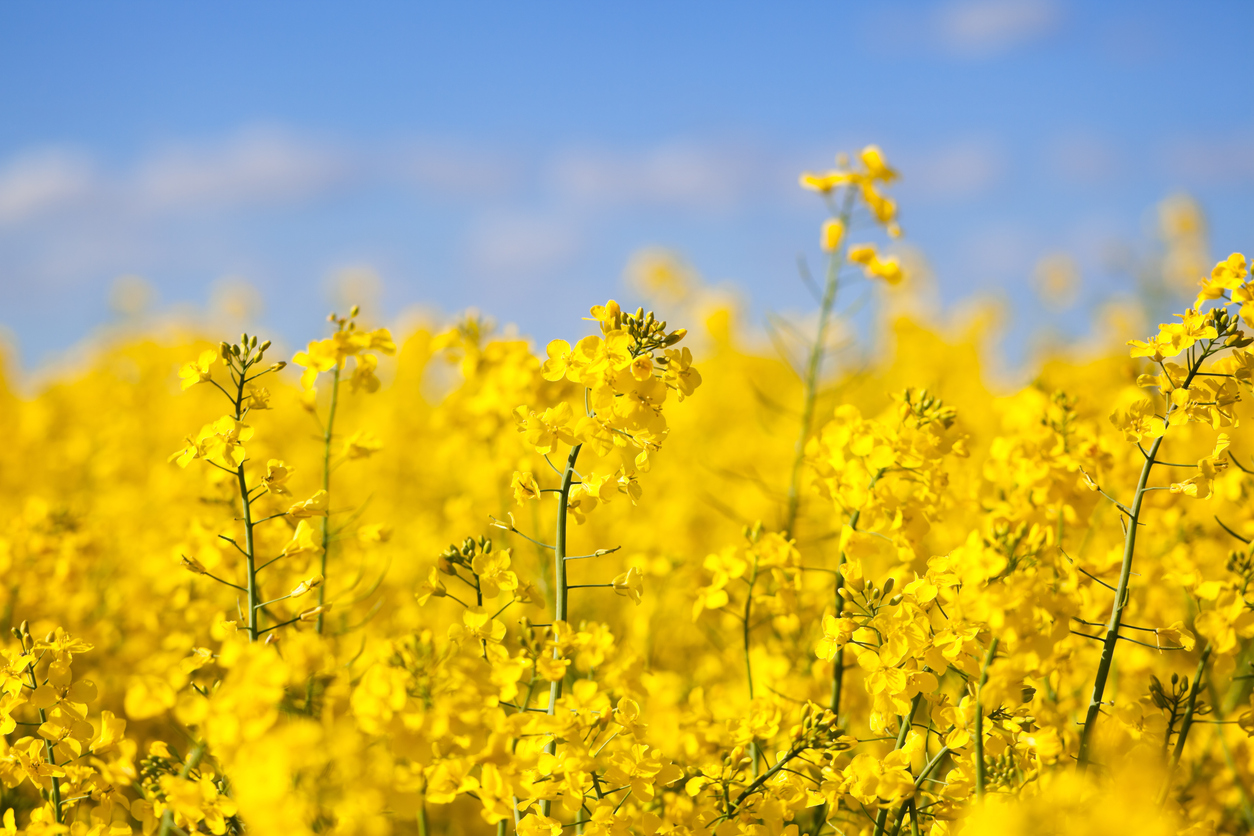
Canola
Soybeans
Sugar cane
Potatoes
Generation 2
Husks
Stalks
Cooking Oil
Generation 3
Seaweed
Algae
Bioplastics Applications